

SERVICES

Braces
Know Before You Go
Our Services
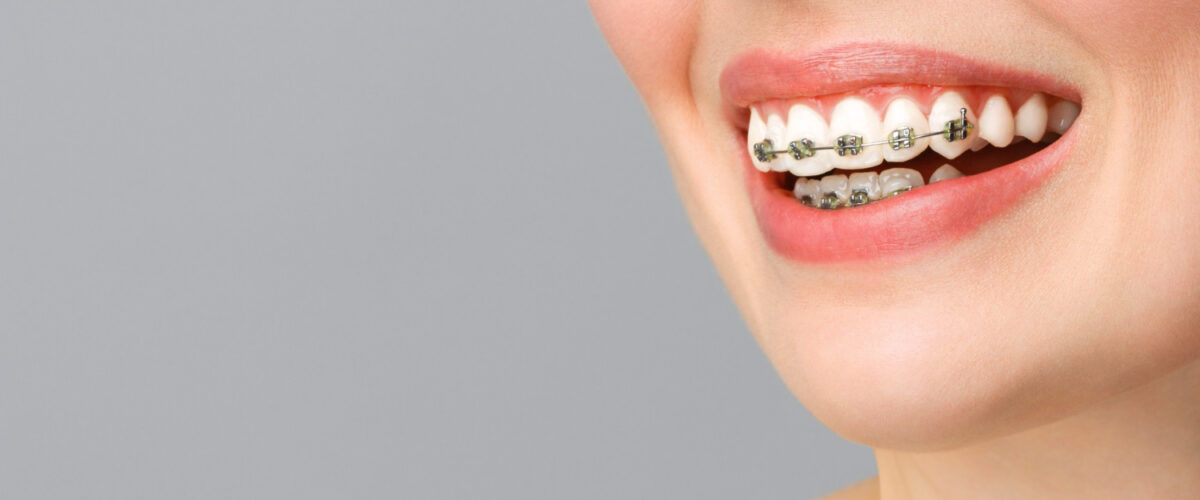
Dental braces, also known as orthodontic braces or simply braces, are devices used by orthodontists to straighten and align teeth, correct bite issues, and improve overall oral health. They are commonly used in orthodontic treatment to address various dental problems, particularly malocclusions (misalignments of the teeth or jaws).
Here are key components and aspects of dental braces:
Components:
- Brackets: Small, square-shaped attachments bonded to the front surface of each tooth.
- Bands: Metal rings that encircle the back molars or, in some cases, are used on other teeth.
- Archwire: A thin, flexible wire that connects the brackets and exerts pressure on the teeth to move them into the desired position.
- Elastics or rubber bands: Used to apply additional force to specific teeth or jaws to correct bite issues.
Types of Braces:
- Traditional Metal Braces: Made of high-grade stainless steel, these are the most common type of braces.
- Ceramic Braces: Similar to metal braces but with brackets that match the color of the teeth, making them less noticeable.
- Lingual Braces: Placed on the back (lingual) side of the teeth, making them virtually invisible from the front.
- Invisalign: Clear plastic aligners that are removable and almost invisible, providing a more discreet option for some patients.
Orthodontic Process:
- Consultation: Orthodontists assess the patient's dental health and develop a personalized treatment plan.
- Placement: Braces are affixed to the teeth, and adjustments are made to initiate tooth movement.
- Regular Adjustments: Periodic check-ups and adjustments are scheduled to ensure the teeth are progressing as planned.
- Duration of Treatment: The length of treatment varies but often lasts from one to three years, depending on the severity of the case.
Maintenance:
- Oral Hygiene: Proper oral hygiene is crucial during orthodontic treatment to prevent plaque buildup and tooth decay.
- Dietary Restrictions: Some foods, like sticky or hard items, may need to be avoided to prevent damage to the braces.
- Follow-up Care: After the active phase of treatment, patients may be required to wear retainers to maintain the achieved results.
Dental braces play a vital role in improving not only the aesthetic appearance of the teeth but also the overall function and health of the oral cavity. They are effective in addressing various orthodontic issues and can contribute to a lifetime of improved dental well-being.
Don't wait until it's too late
Every tooth is more valuable than a diamond.Protect this treasure from deterioration.